Beyond a Single Tree
Brush, saplings, and small trees across a whole lot or acreage, cleared and dealt with the way Illinois allows.
What Makes This Different
Private land in Charleston, Illinois needs no clearing permit. What matters is how dense the growth is and where it goes after the cut.
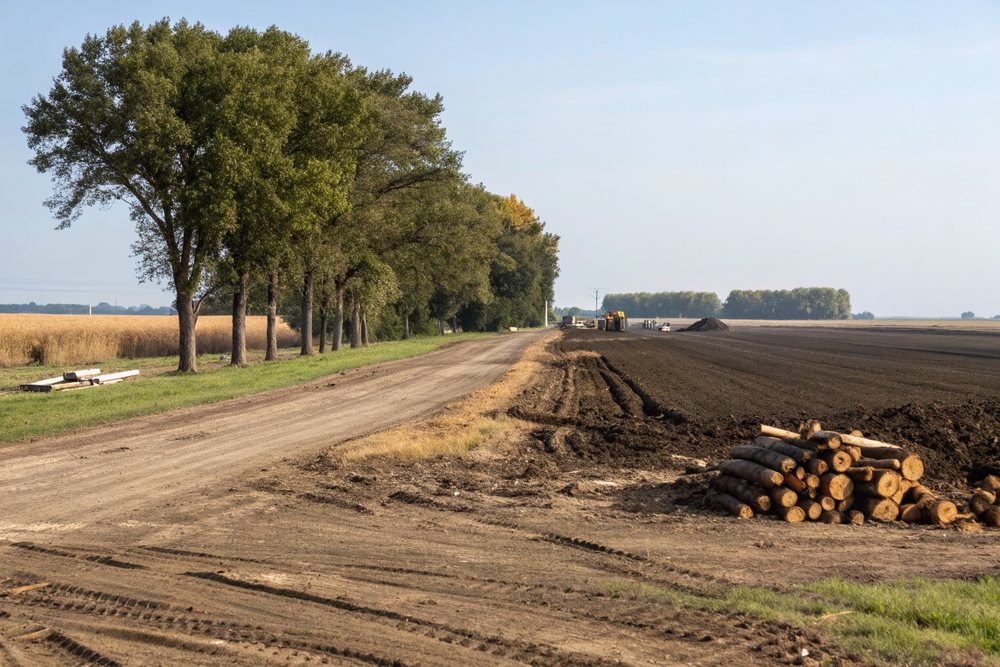
Coles County is flat Grand Prairie farmland, so clearing here tends to run in lines: a fencerow taken over by eastern redcedar and hackberry, a windbreak past its use, a farmstead grove, or overgrown timber in the Embarras River bottom. In town it's usually a wooded lot behind an older house being opened for a shop or garden.
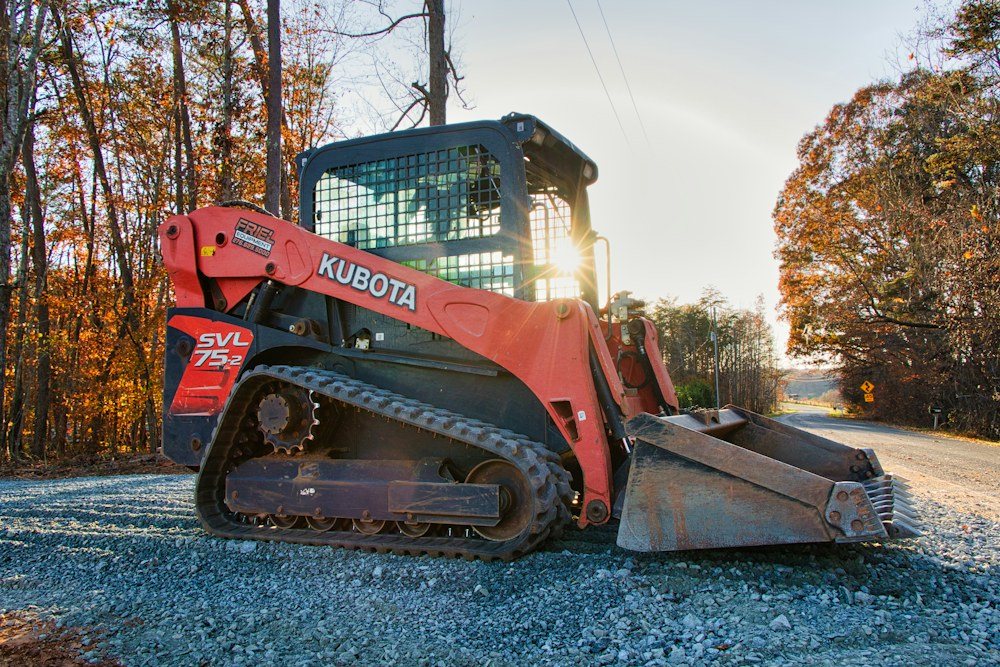
The debris plan is what moves the estimate. Inside city limits, burning branches and brush is banned and landscape waste can't be landfilled, so it's chipped or hauled. Outside town, ask your fire protection district before counting on a fire. We quote both, running a skid steer with a forestry-mulcher head, a grapple and the chipper.
Where We Work
We clear land wherever we remove trees. The burn ban is Charleston's; past city limits, ask your fire protection district, and Mattoon has its own code (ask Mattoon City Hall). See all the areas we serve →
Brush, saplings and small trees cleared to the footprint of a new house, shop, pool, drive or fence. Big hardwoods inside it get priced one by one, with stumps ground on the same trip.
Taking out a fencerow that has grown up in cedar and hackberry, thinning or removing an old windbreak, or opening up a farmstead grove so the field can be worked to the edge. Farm ground is a different rhythm than a town lot, and we schedule around planting and harvest.
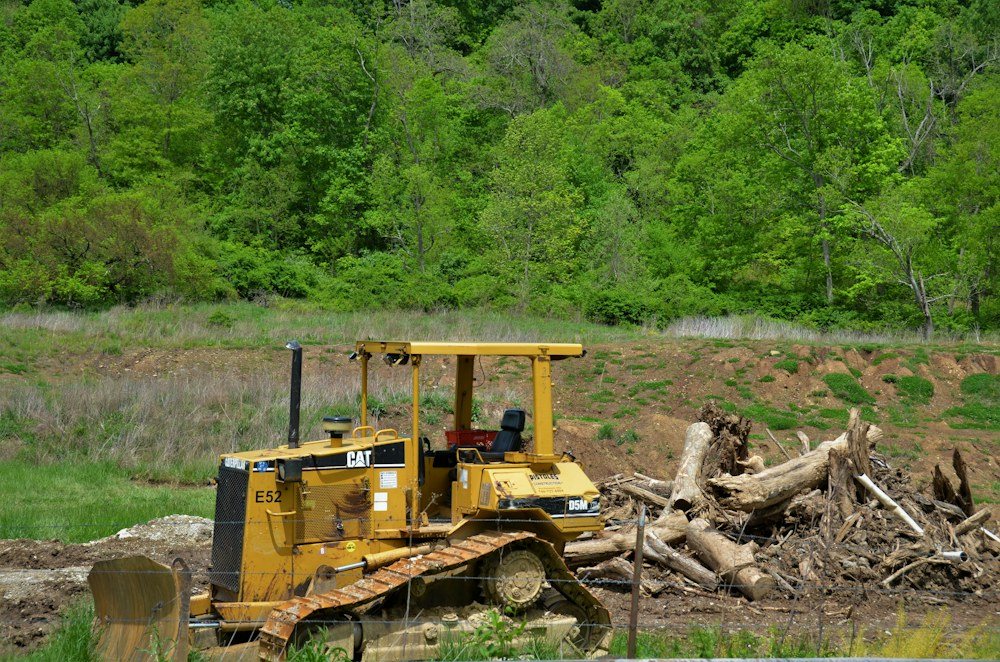
Overgrown river-bottom timber, or a property where a spring or summer storm took down more than one tree. We clear the whole affected area in one pass instead of one tree at a time, and chip or haul the rest.
Cost Planning
| Job size | Typical cost range |
|---|---|
| Light brush (per acre) | $1,500–$3,500 |
| Wooded (per acre) | $3,500–$8,000+ |
| Single lot under ½ acre | $1,200–$4,000 |
Ranges are typical for east-central Illinois based on published industry cost guides; your written estimate reflects your specific tree and site.
Density comes first: a cedar fencerow and a lot mixed with 40-foot hardwoods are different jobs on the same acre. Wet ground counts, since prairie silt loam softens after rain, and so does the debris plan: mulching in place usually costs least, full haul-off most. We walk it and write the price before any work.
A forestry mulcher beats hand work for speed and leaves a smoother grade; the chipper and grapple take what it shouldn't.
You'll know your material's options, and how each one changes the price, before the estimate's written. Inside the city there's no burn pile, so chipper and truck are planned from day one.
Mulch it in place, haul it off, or leave usable firewood. Nothing gets buried on site.
Once the brush is gone, the grass grows. Charleston treats weeds and grass over 8 inches as a violation, on the lot and on the strip out to the street, so we talk through mowing or seeding before we leave the site.
Not to clear your own land. Charleston has no clearing permit, and we found no Coles County tree ordinance. The city regulates the debris: landscape waste, limbs included, goes by licensed hauler, wire-mesh compost on site or another state-approved method (§ 4-3-4), never a landfill. Burning rubbish, which includes wood, branches and yard trimmings, is strictly banned in town. Outside it, ask your fire protection district. Mattoon has its own code. Full rules in our permits guide.
Either. Mulching in place usually runs cheapest; hauling everything costs more and leaves bare, clean ground. Inside Charleston those are the only choices, since burning branches and landfilling yard waste are both ruled out. On rural acreage, check with the fire protection district before any match gets struck. The estimate prices each option.
Removal goes by the tree. Clearing goes by ground and thickness: how many acres, how dense, and how big the trees mixed in are. Debris gets its own line, and a lot under half an acre is priced whole instead of per acre.
We'll walk the whole piece and settle the debris plan before you ever see a price.
Type your town or ZIP and we'll tell you whether the Charleston crew makes the drive.