What's Left After the Tree
Call now for a free on-site estimate.
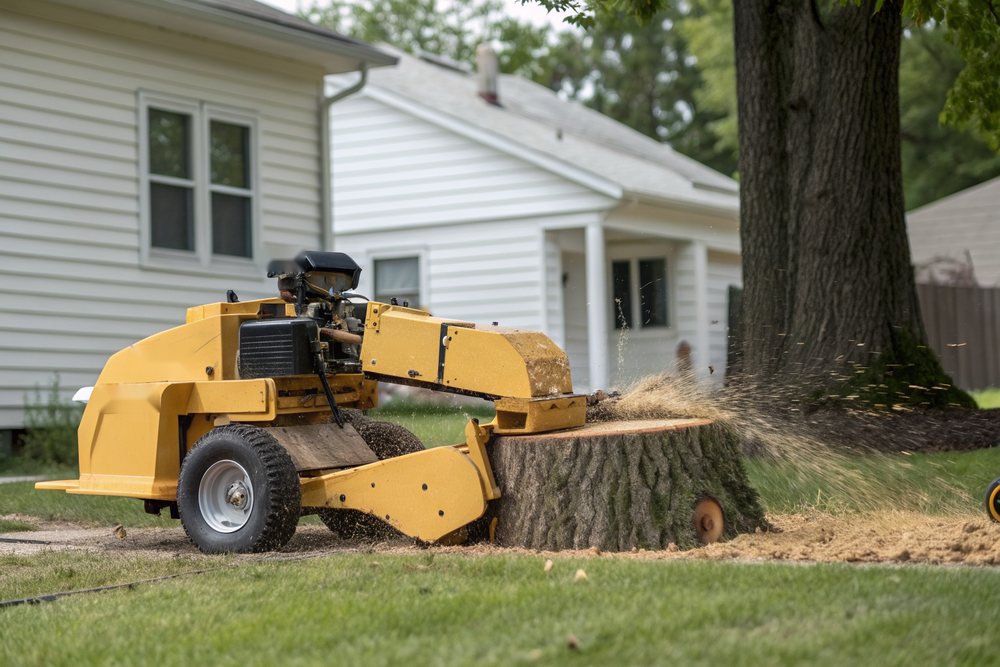
The Tree's Gone. Now the Stump.
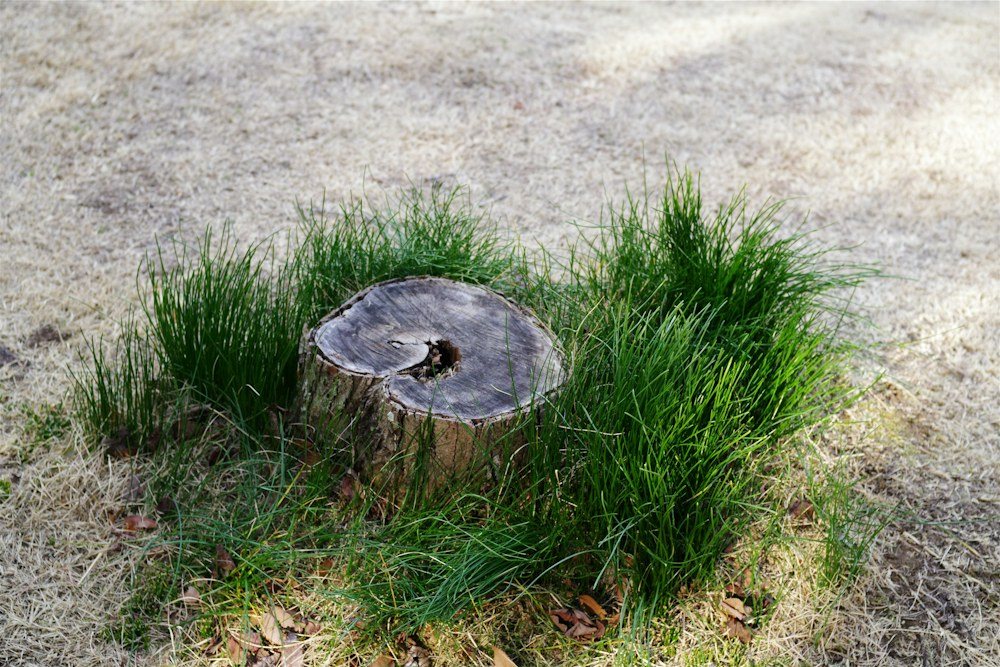
In Charleston, Illinois, a stump tends to outlast everyone's patience. It sits in the mowing line, sprouts each spring, and a summer or two later it's feeding carpenter ants or termites.
Coles County Tree Co. grinds it below grade so you can seed, sink a post or pour a slab right there. We don't need to have cut the tree. Lots of our stump work begins with one call and an estimate the following day.
Where We Work
Wherever we remove trees, we grind stumps: all of Coles County and the edges of the five counties next to it. Just one stump past the county line? Call anyway. See all the areas we serve →
The easy kind. We cut it low and grind it that visit or come back later. Pairing it with the removal costs least, since the crew's already there.
The oak cut ten years back, the maple a previous owner ignored, a line of storm stumps on the fence, and more and more dead-ash stumps. Old white oak and hickory stay dense and grind slower, and the price follows.
Species drives the estimate here. Silver maple stumps are wide, with shallow roots running across the lawn. Ash grinds faster than oak but can be broad. Bur oak, white oak, shagbark hickory and black walnut are dense and eat time and teeth. You'll know which you have, and its effect on price, up front.
A normal grind goes 4 to 6 inches under grade, plenty for grass seed. For a fence, shed or drive on the spot, or roots out of the mowing line, we go deeper and chase roots, as a separate line you can take or skip.
Cost Planning
| Job | Typical cost range |
|---|---|
| Single stump (by diameter) | $100–$400 |
| Each additional stump | $50–$150 |
| Surface-root chasing / deep grind | $75–$200 extra |
Ranges are typical for east-central Illinois based on published industry cost guides; your written estimate reflects your specific tree and site.
Diameter sets most of the price, measured at the ground across the root flare, so an 18-inch top can be 30 inches where the grinder bites. Species, access and buried lines count too. The estimate is free and on paper.
Charleston's deep, often poorly drained prairie silt loam grinds cleanly, but a wet spring leaves it soft. We plan the machine's path so it won't rut the lawn, and we mark utilities before it moves.
A grinder flings chips hard. Guards go up, the area gets cleared, and our coverage stands behind your house, your windows and the neighbor's truck.
Diameter, species and depth get settled at the estimate, and the figure on paper is what you pay. If root chasing would add a line, you see it first.
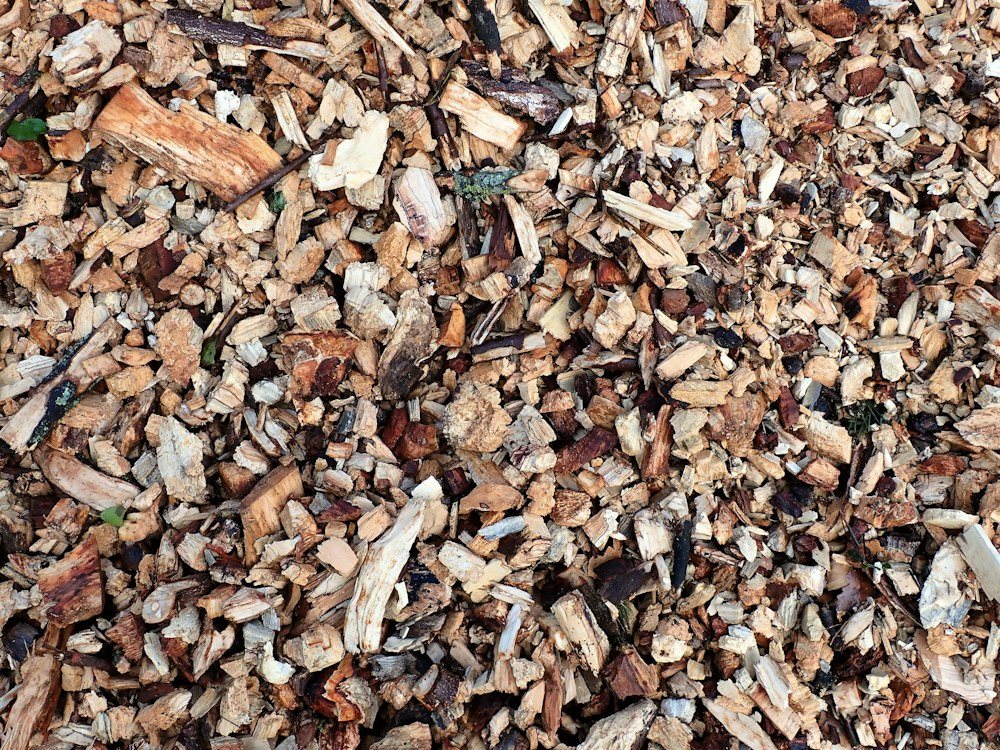
Stump below grade, hole backfilled, spot raked for seed. Grindings you don't want get hauled, since § 4-3-4 sends landscape waste to a hauler or compost, never a landfill.
How It Works
You can, but it won't just sit there. Softer stumps rot and draw termites and carpenter ants, and silver maple can keep sprouting from its roots for years. Want a quick read first? "Stump in the way" is one of six choices in our Tree Diagnosis tool.
Up to you. Most folks have us fill the hole and mound them so the spot settles flat over a season. Otherwise we haul them; inside Charleston landscape waste can't be landfilled (§ 4-3-4), so they go to a licensed hauler or compost.
Usually. The grinder works within inches of a post, walk or foundation, chip guards on the house side. A stump over a septic line, gas service or water meter gets located first, and if the machine can't reach one safely, you'll hear it at the estimate.
Have a stump in the way? Call or request a free estimate.
Type your town or ZIP and we'll tell you whether the Charleston crew makes the drive.