Storm-Season Ready, No Permit for Your Own Trees
Call now for a free on-site estimate.
No Permit for Your Own Trees
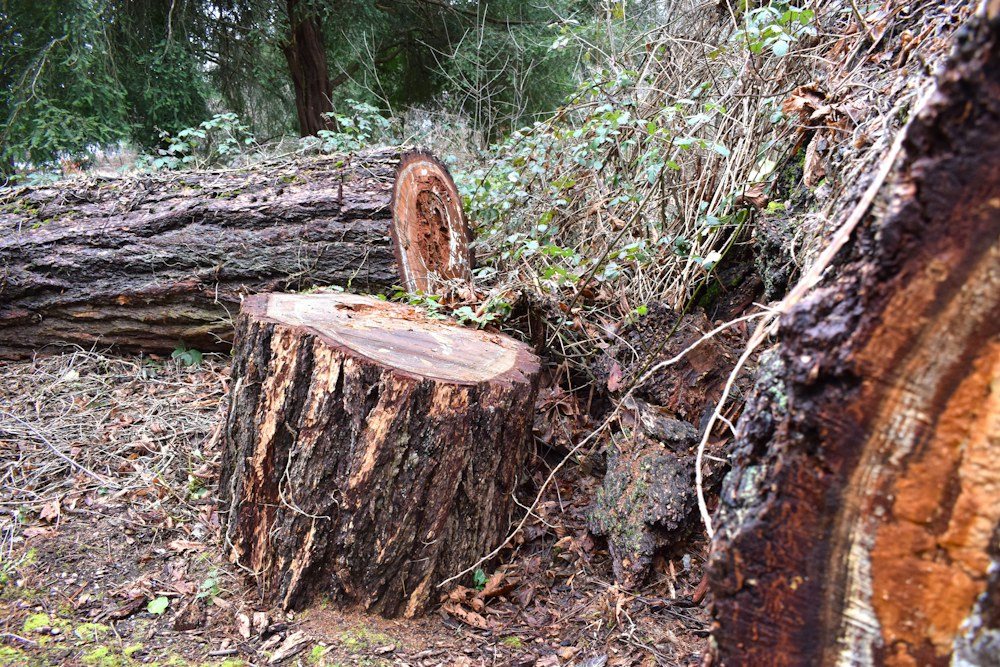
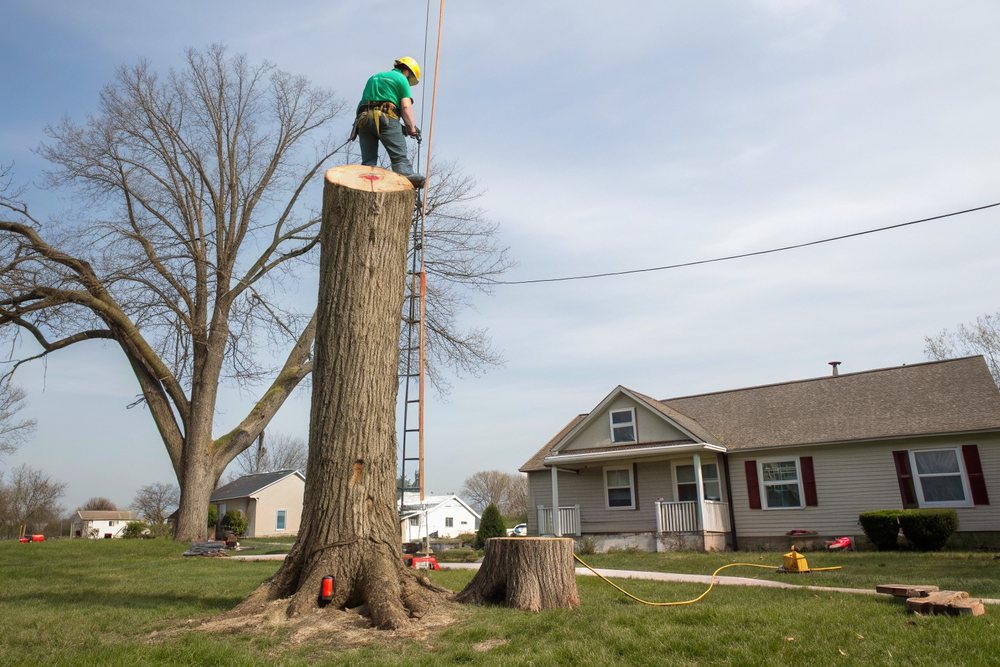
Maybe it's an ash standing bare since the borer came through, a silver maple a spring storm split, or a sound hackberry that's just too close to the house. Coles County Tree Co. lowers it in sections, ropes each piece before the cut, and leaves nothing behind.
The question we hear most: no, Charleston, Illinois doesn't need a permit for a tree on your own private property. And a tree on the roof never waits behind routine work.
Where We Work
Based in Charleston, working all of Coles County and the edges of the five counties around it. See all the areas we serve →
The one crowding the foundation, shading the garden or tipping toward the garage. With no permit on private land, all you need is a written price and a date, usually that same week.
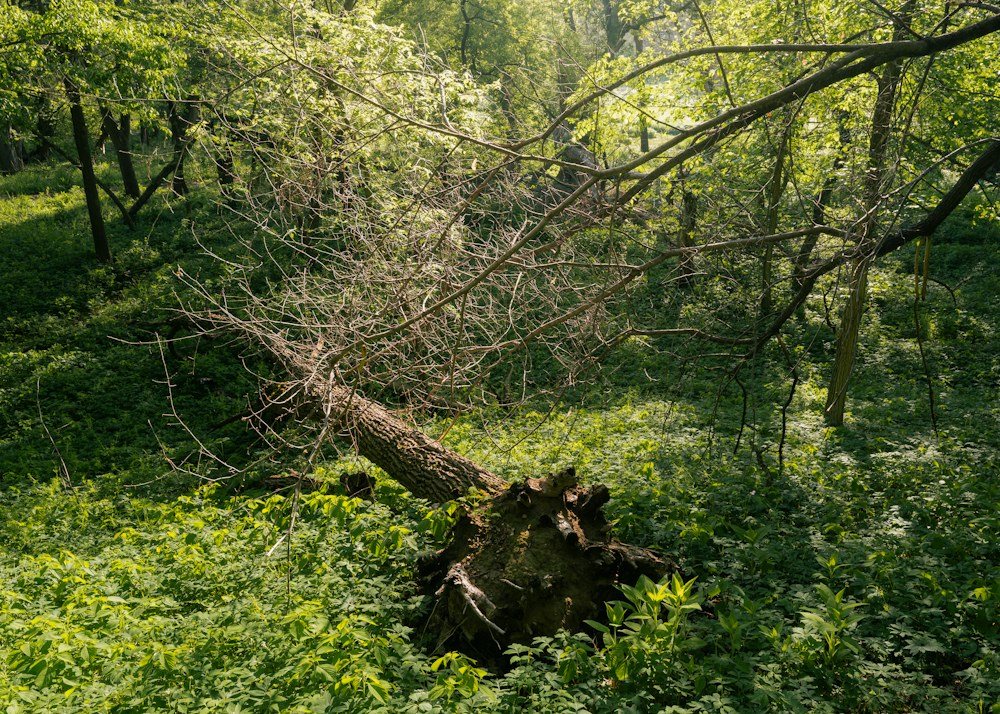
Nothing on the open Grand Prairie slows a spring or summer squall line. A limb through the roof or a silver maple across the drive goes to the top of the list, and a split or half-tipped tree gets hazard handling, since it can keep moving after the wind quits.
Borer-killed ash is among our most common jobs, and dead ash goes brittle fast, shedding limbs or falling whole. We also see hollow, cracked or newly leaning cottonwoods, silver maples and hackberries. If yours just needs watching, that's what we'll tell you. Unsure? Try the free Tree Diagnosis tool.
No permit, but two duties. Owners along a public way must treat or remove a tree so diseased or insect-ridden it threatens public trees (§ 4-5-3); think dying ash by the curb. And badly kept trees that threaten public safety are a nuisance (§ 4-2-3(I)), which lets the city do the work and lien the lot. We'll remove it, or trim it if it's worth saving.
Cost Planning
| Tree size | Typical cost range |
|---|---|
| Small tree (under 30 ft) | $300–$700 |
| Medium (30–60 ft) | $700–$1,500 |
| Large (60 ft+) | $1,500–$3,500 |
| Storm / emergency removal | Priced on-site after the hazard is assessed |
Ranges are typical for east-central Illinois based on published industry cost guides; your written estimate reflects your specific tree and site.
Height, how near it stands to a house or line, and whether it can drop whole or must be roped down set the number. Your estimate is free and on paper.
Dale Kruger spent nine seasons clearing lines across Coles, Cumberland and Douglas counties before starting the company in 2014. Line work teaches you to bring a tree down in pieces, rigging first.
We carry the insurance that protects your property if a big removal beside the house doesn't go to plan.
The cost is settled before a cut is made. No add-ons, no sign-today pressure, and if the tree can stay, we say so.
Trunk, limbs and brush go on the truck that day. Want the oak or hickory for the woodstove? Just ask. Otherwise no logs get left behind.
How It Works
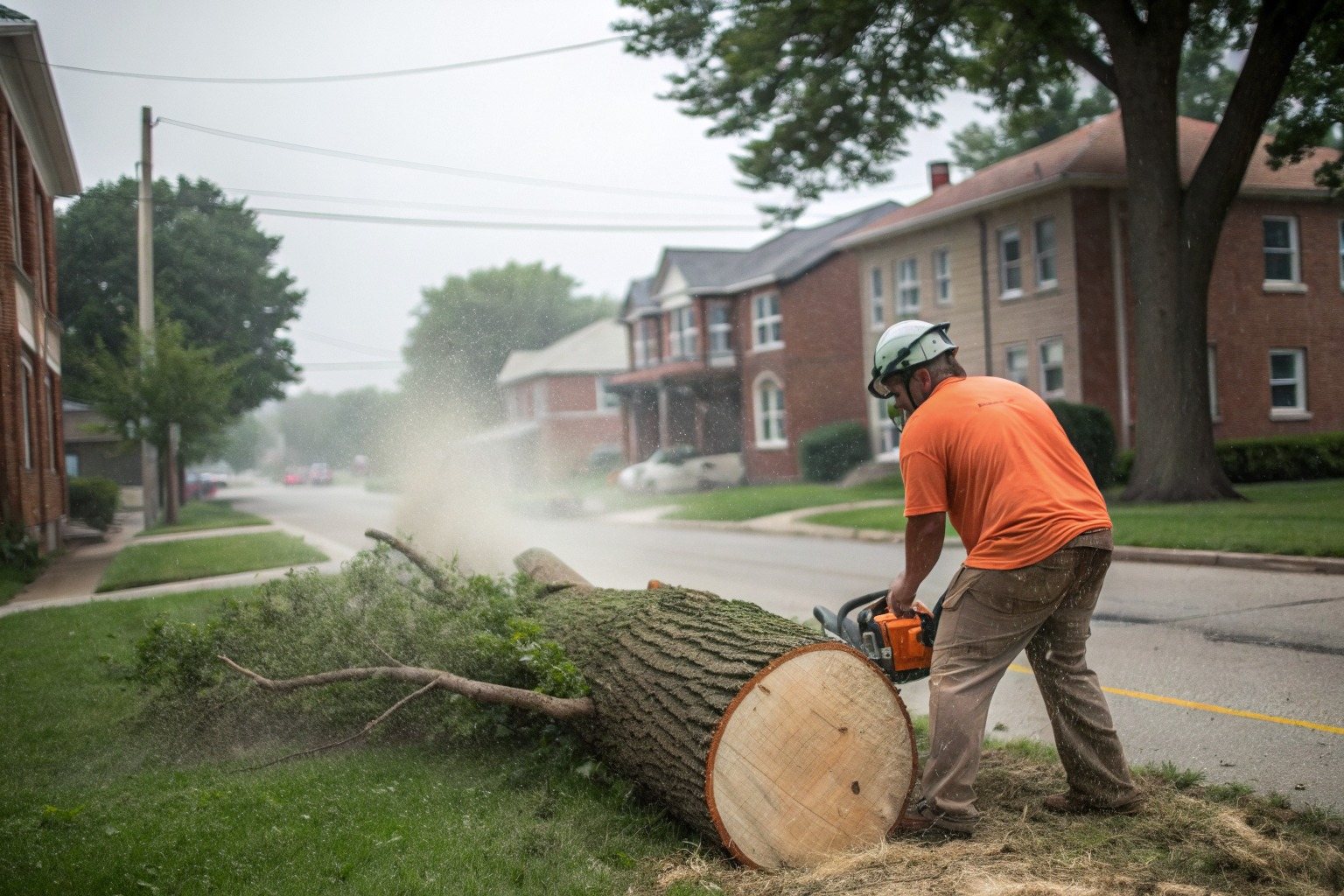
Hazards come first. A tree on the house, across the drive or leaning into a line gets a same-week, often same-day visit, ahead of routine jobs. If it's touching a wire, keep away and phone the utility too.
Not on your own lot. The city code has no such permit, and we found no Coles County tree ordinance. The street-side duties above still apply, Mattoon has its own code, and the villages keep similar nuisance rules. See our permits guide.
Yes, with care. Dale's line-clearance years showed us where our work ends: limbs on primary lines belong to the utility, and we'll tell you so. Near a service drop we add rigging, and sometimes the utility hears from us before we cut.
Call or request a free estimate and we'll take a look.
Type your town or ZIP and we'll tell you whether the Charleston crew makes the drive.